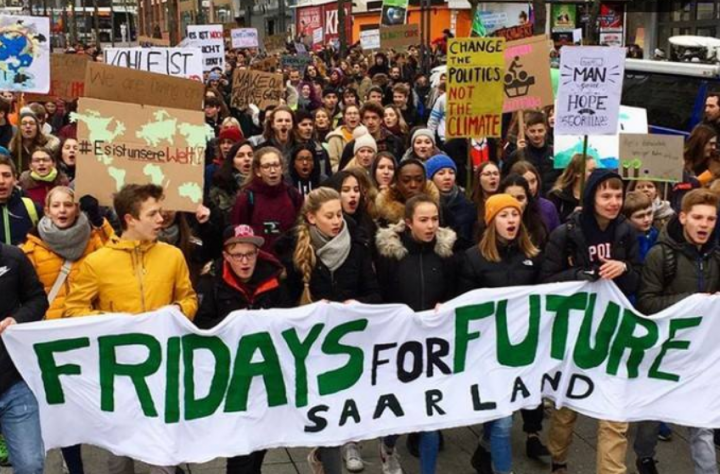
In August 2018 in Stockholm, Sweden, something utterly unremarkable happened. A student, Greta Thunberg, then 15 years old, skipped school for one day a week and Continue reading
Posts that reflect on issues related to habitation in the Anthropocene, without presenting a particular reading.
In August 2018 in Stockholm, Sweden, something utterly unremarkable happened. A student, Greta Thunberg, then 15 years old, skipped school for one day a week and Continue reading
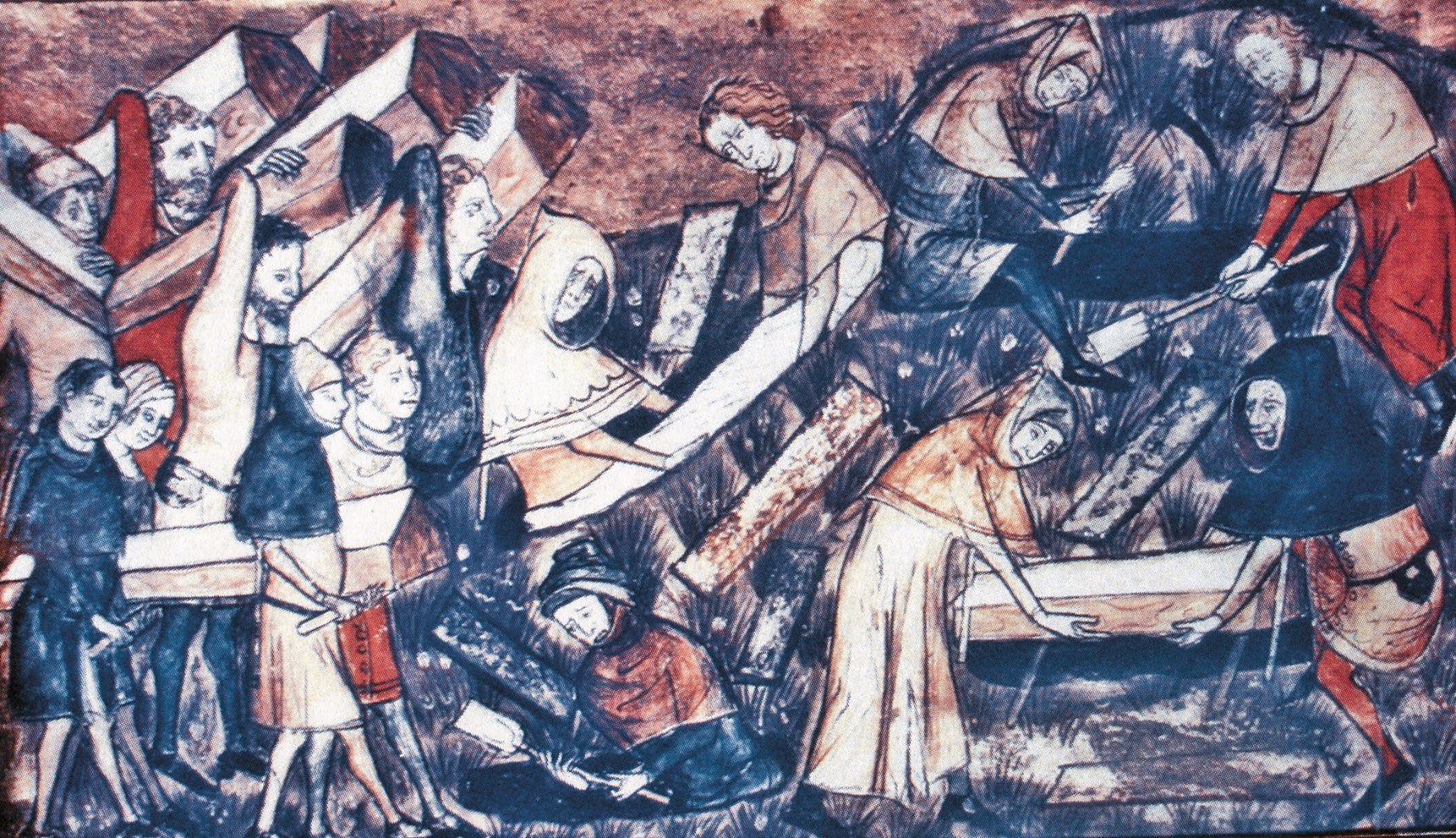
Burying victims of the Black Death
The COVID-19 spring, and now summer, of 2020 has kept me thinking about something with which I have been preoccupied for about a year now: the fresco series by Ambrogio Lorenzetti known as the Allegory of Good and Bad Government, Continue reading
 One hallmark of a market-driven economy is efficiency, i.e. manufacturing a product at the lowest cost. However, some problems exist with always being driven to reduce cost. One problem is that Continue reading

In the past eight weeks I’ve read four equally scary magazine articles. They are (in no specific order): Continue reading
“There’s no image of it, other than that disco-ball microscopic view of the thing.”
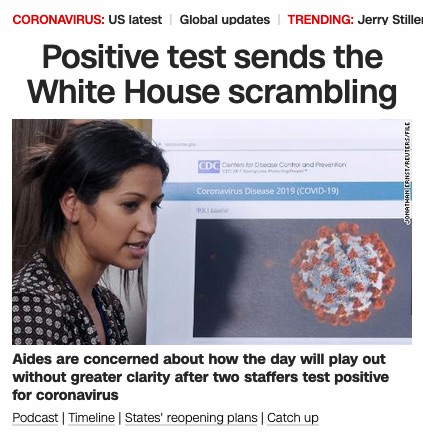
Screen capture of CNN reporting on coronavirus in the West Wing of the White House, May 11, 2020
In my previous post, I drew on Louis Althusser’s theory of ideology to argue that the “spiky blob” image of the coronavirus produced by designers at the CDC is an ideological image that “interpellates” us by repeatedly triggering in us a flight instinct that leads us to an isolating abyss of fear and thus constitutes us as subjects amenable to the project of neoliberalism.
The broader visual culture of COVID-19 is similarly inclined and has taught us how to fear Continue reading

Screen capture of Sean Hannity on Fox News, February 27, 2020
A couple months ago, as the reality of the COVID-19 pandemic was setting in, I read a news story in which I learned that unwashed produce could put my life in jeopardy. Why am I being taught to fear vegetables? Louis Althusser may have some answers: Continue reading
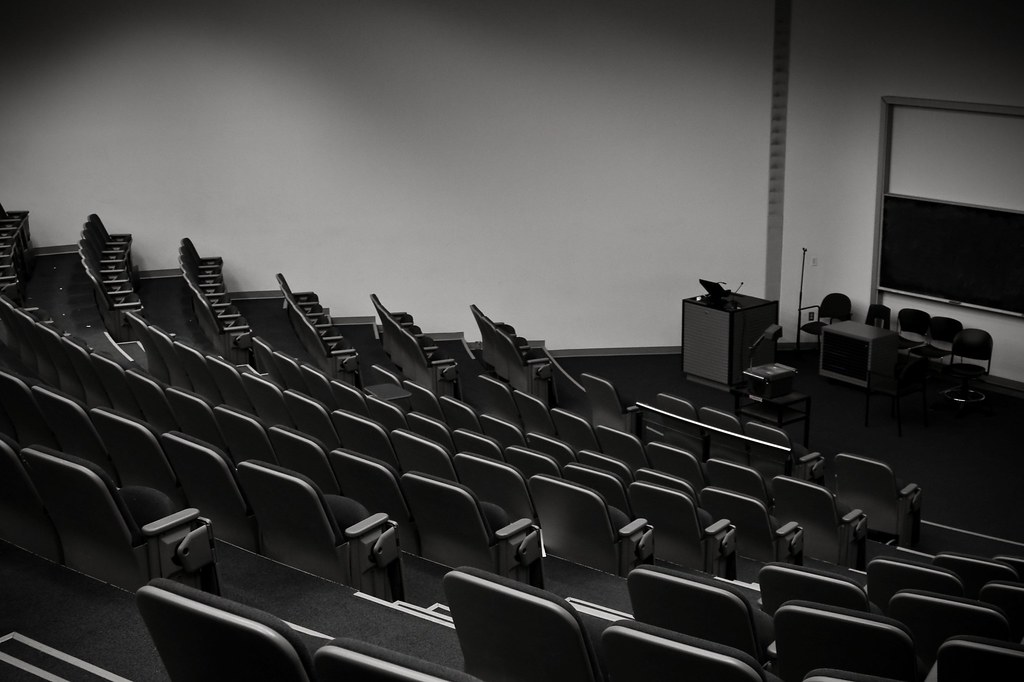
Empty classroom. Photo by Benson Kua (CC BY-SA 2.0)
The Dream Course, Interrupted
With the end of the spring semester, the Climate Change in History Dream Course came to a close. The course was neatly broken in two by COVID-19, which was officially declared a pandemic in mid-March, just as Continue reading

Yvette Wiley showing the author how she uses the Strahler Stream Order in her work as the Director of Environmental Services at Iowa Tribe of Oklahoma. Photo by Loren Waters.
In her April 2020 presentation, Tahltan scholar Dr. Candis Callison, takes a close look at how the Anthropocene – as articulated by scientific collectives such as the Anthropocene Working Group – signifies a logic of severed relations that pines for Continue reading

This is to follow on from my post last week–I want to discuss Clark Miller’s ideas on how we will design the solar energy future, based on Continue reading
.jpg)
[With this post we begin a series in which we will offer some responses to the pandemic now unfolding across the globe, disrupting everyone’s lives. As we do on this blog we will speak from our own disciplinary positions, in the hope that people from other fields might find their own attempts to understand this crisis enriched.]
Pandemics, like climate change, are strange combinations of human activity and other natural processes. We make pandemics through all that we do — moving, touching, caring, talking, and so forth — because Continue reading
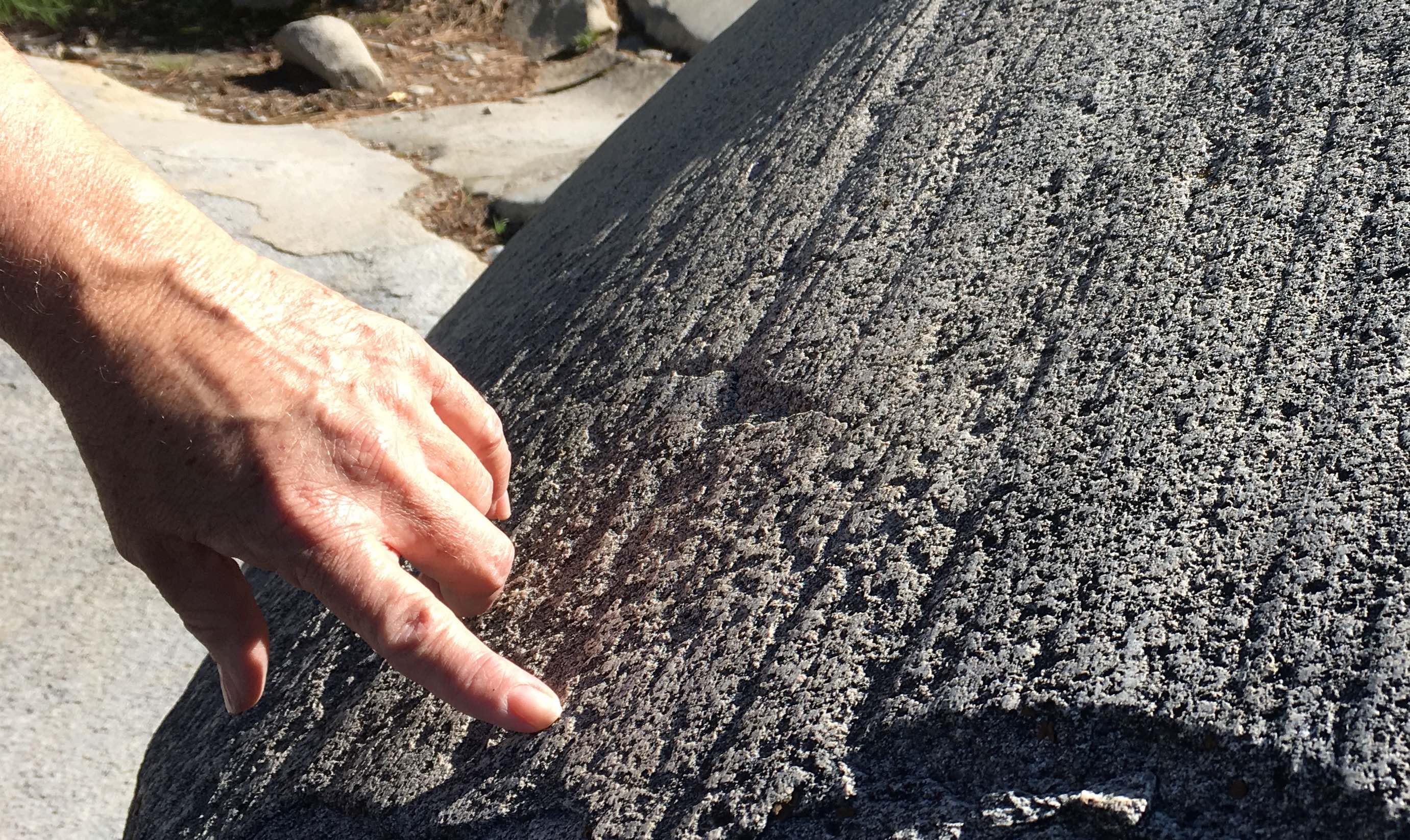
Glacially striated (scratched) surfaces, Lake Tahoe, CA
The historian has rarely lived through the events of past times that he describes. He has not seen them with his own eyes; rather, he describes them on the basis of the documents at hand, whether these are the yellowed leaves of old codices and parchments, or the brown fossil leaves Continue reading
[Part 1 of this post appears here.]

A desolate, uncultivated countryside; a burning village; ruined houses; marauding soldiers—these are the first things visitors to the council chambers in 14th century Siena would have seen of Continue reading
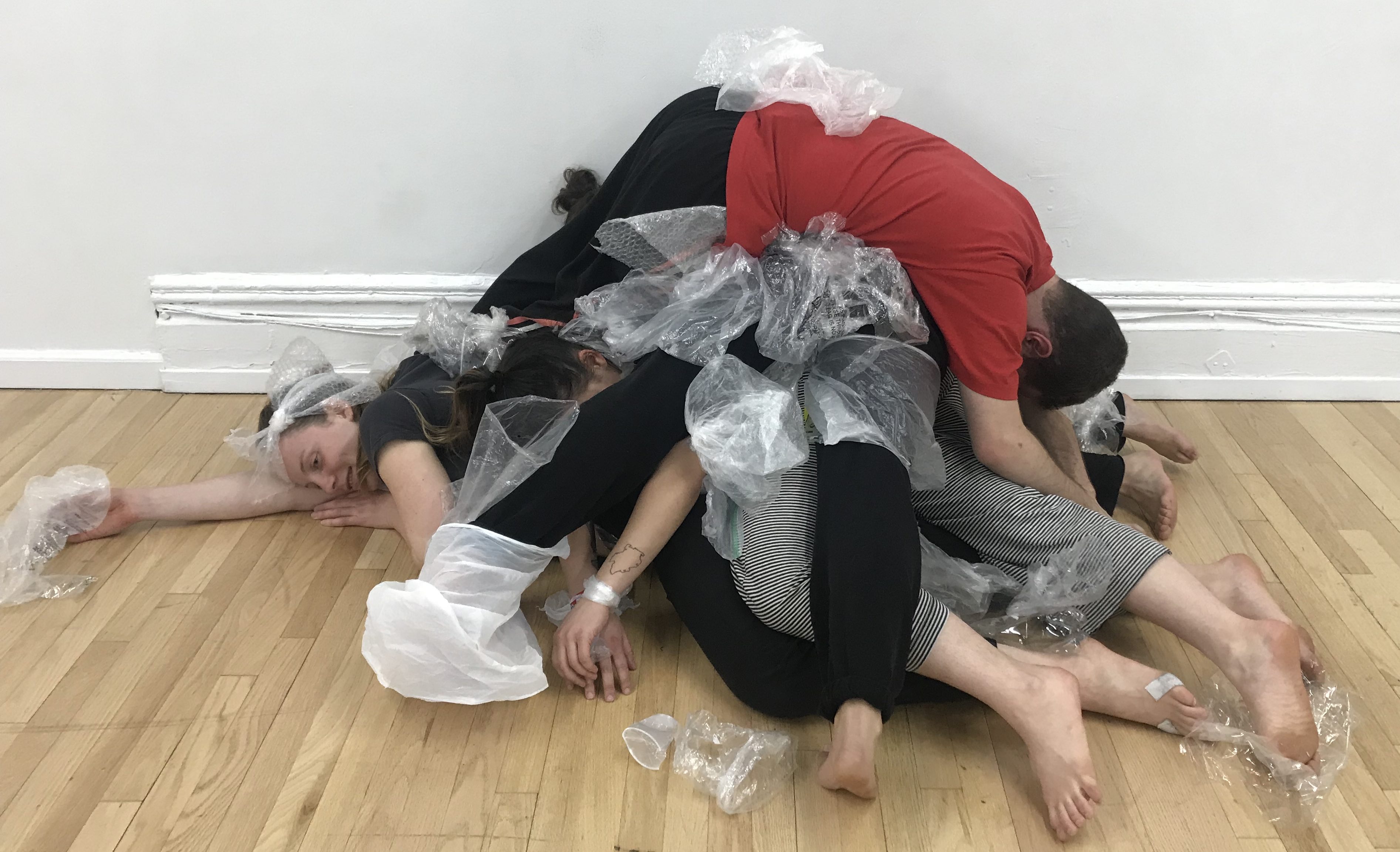
What does a collection of plastic shopping bags have to do with choreographing a dance? For me there was a powerful connection—and in this post I want to explain how a material we associate with waste richly fueled a creative process. Continue reading

I am currently in China as I start to write this. A student who was accompanying me as I visited a University brought up Continue reading

Baronstown West Man, found in County Kildare
This past June, I gave a talk at the Art in the Anthropocene conference at Trinity College Dublin and used the always-happy occasion of being in Ireland to visit a few places there that I had not previously visited. Among them were Continue reading

MSS Optical sorting machine
Humans are currently producing about 100 pounds of plastic per person per year on this planet (~250 pounds the US) and at the current rate of increase that number will be Continue reading
 Inhabiting the Anthropocene
You must be logged in to post a comment.