Last week’s Dream Course talk came from Candis Callison of the University of British Columbia, an expert on Science and Technology Studies, Indigenous Studies, and journalism. She argued that Continue reading
Last week’s Dream Course talk came from Candis Callison of the University of British Columbia, an expert on Science and Technology Studies, Indigenous Studies, and journalism. She argued that Continue reading

This is to follow on from my post last week–I want to discuss Clark Miller’s ideas on how we will design the solar energy future, based on Continue reading
After having to cancel Clark Miller’s in-person guest lecture for our Climate Change in History Dream Course because of the COVID-19 epidemic, we were excited to reschedule a virtual visit, which took place via Zoom on Tuesday, April 14, 2020. Here is a video recording of Miller’s virtual lecture, and links to Continue reading
[This is first in a set of posts coordinated with Dr. Clark Miller’s (virtual) visit to OU’s Climate Change in History Dream Course. The video of Dr. Miller’s talk will appear here Friday, followed next Wednesday by Dr. Grady’s response.]
.jpg)
[With this post we begin a series in which we will offer some responses to the pandemic now unfolding across the globe, disrupting everyone’s lives. As we do on this blog we will speak from our own disciplinary positions, in the hope that people from other fields might find their own attempts to understand this crisis enriched.]
Pandemics, like climate change, are strange combinations of human activity and other natural processes. We make pandemics through all that we do — moving, touching, caring, talking, and so forth — because Continue reading
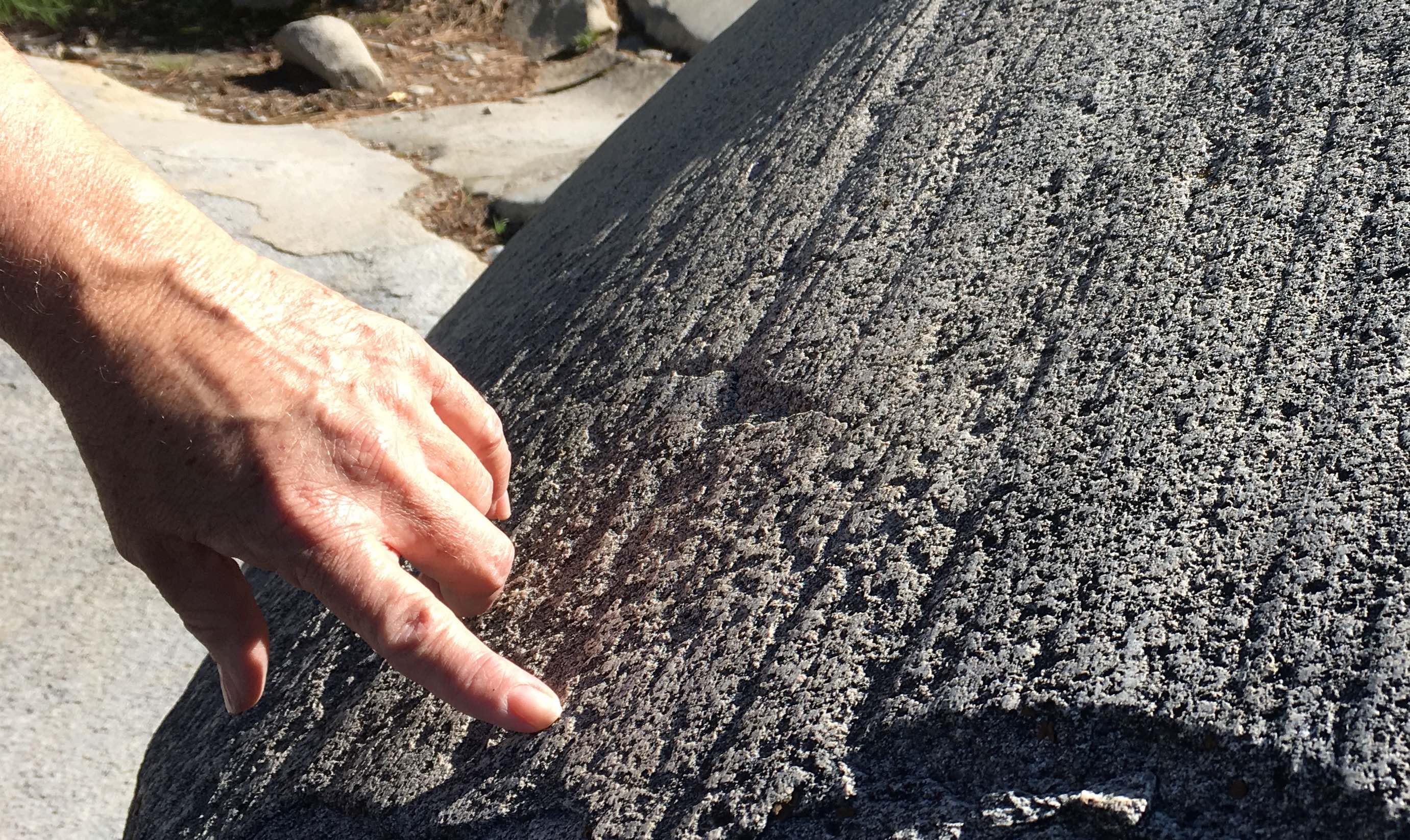
Glacially striated (scratched) surfaces, Lake Tahoe, CA
The historian has rarely lived through the events of past times that he describes. He has not seen them with his own eyes; rather, he describes them on the basis of the documents at hand, whether these are the yellowed leaves of old codices and parchments, or the brown fossil leaves Continue reading

Anton Kerner von Marilaun

Last week, our first guest speaker for the Climate Change in History Dream Course was Dr. Gregory Cushman, associate professor of international environmental history at the University of Kansas. Cushman reported on Continue reading
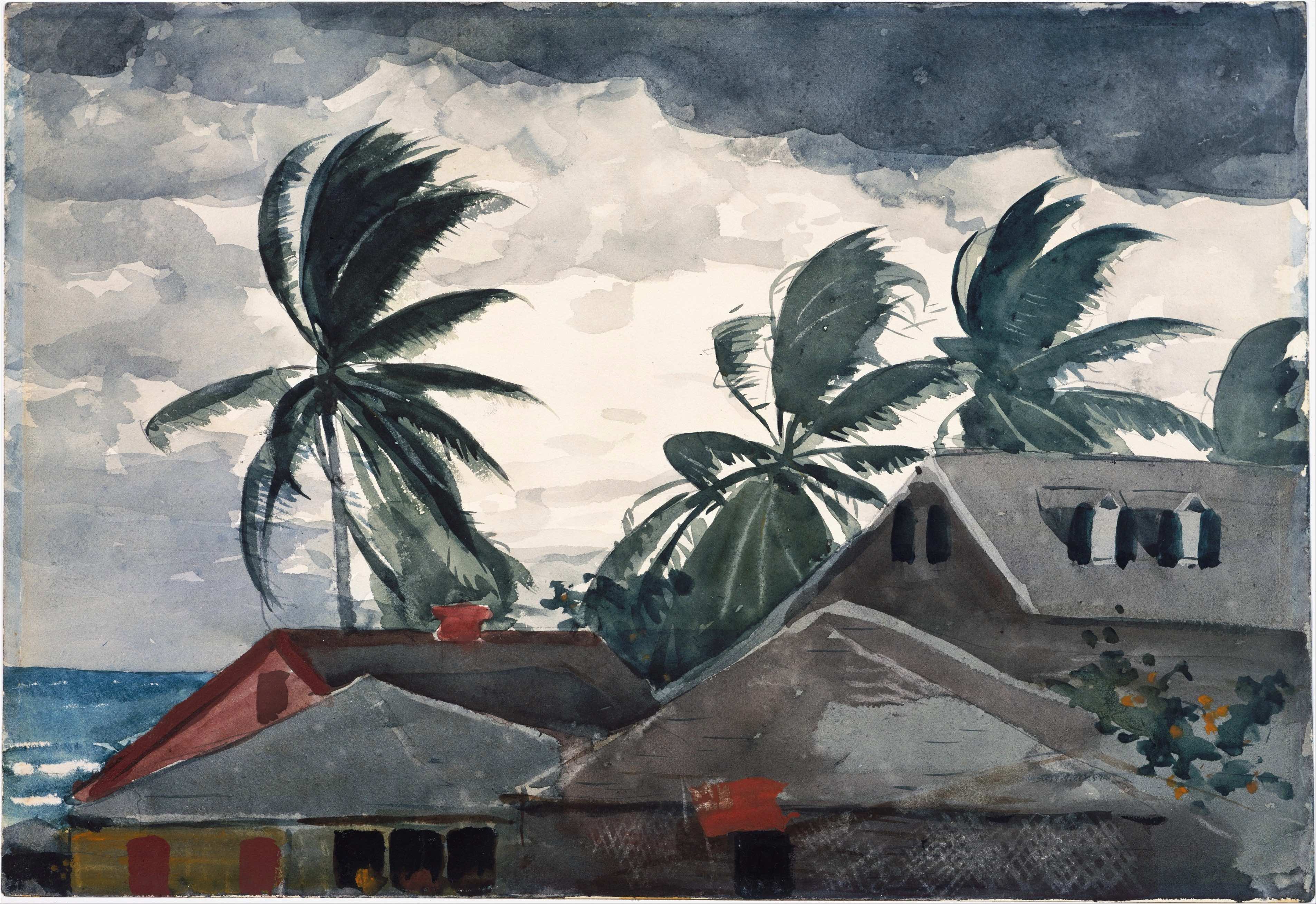
detail of Winslow Homer, Hurricane, Bahamas (1898)
This week, Dr. Suzanne Moon and I begin team-teaching “Climate Change in History” (HSCI 3473: History of Ecology and Environmentalism) as a Presidential Dream Course, a program which allows University of Oklahoma faculty to upgrade an existing course into its dream version, with guest lectures Continue reading
[Part 1 of this post appears here.]

A desolate, uncultivated countryside; a burning village; ruined houses; marauding soldiers—these are the first things visitors to the council chambers in 14th century Siena would have seen of Continue reading
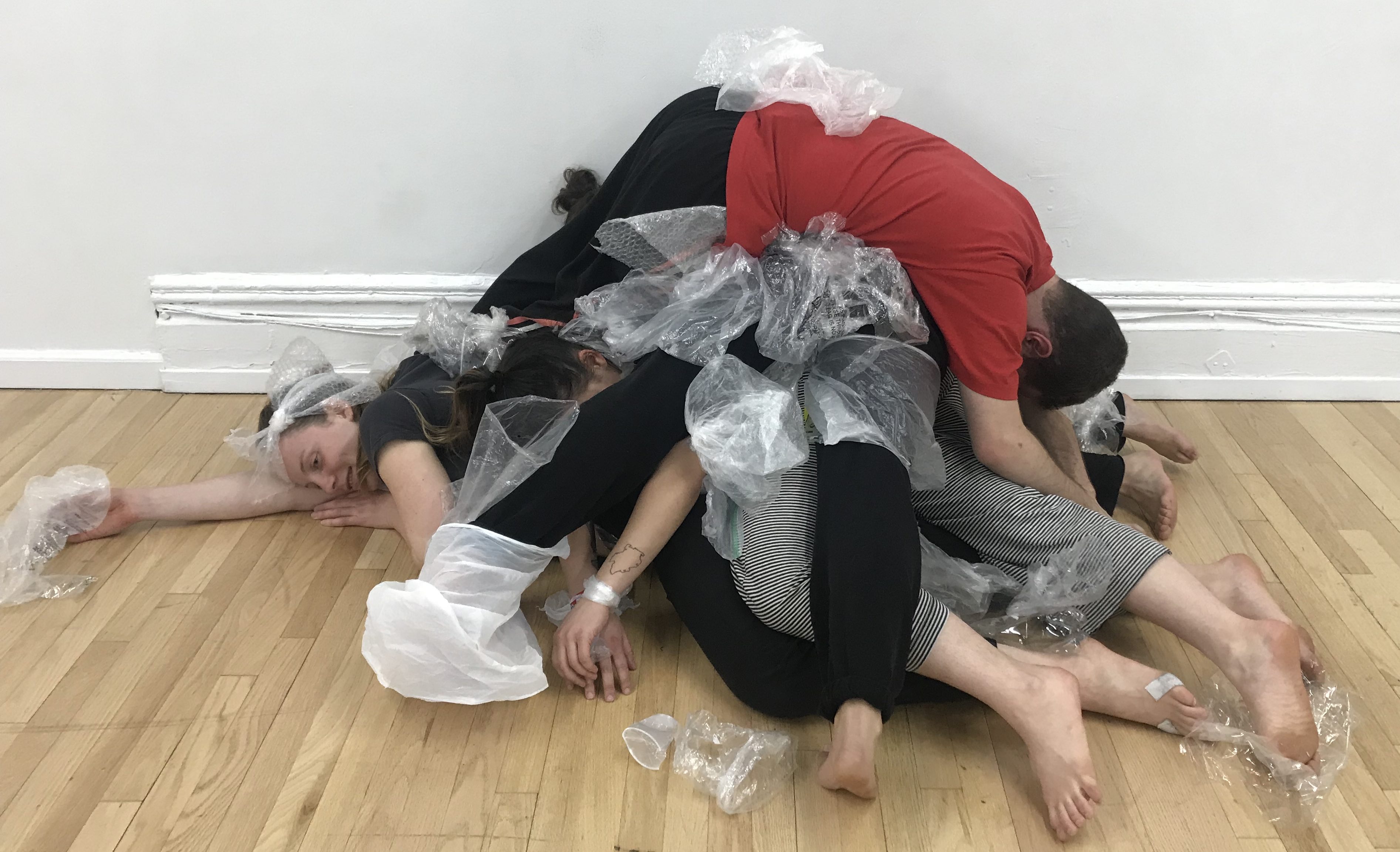
What does a collection of plastic shopping bags have to do with choreographing a dance? For me there was a powerful connection—and in this post I want to explain how a material we associate with waste richly fueled a creative process. Continue reading
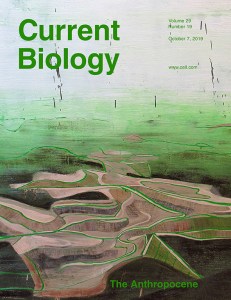
For most biologists, inhabiting the Anthropocene also means working in it. There are very few topics in the life sciences that are not confronted with Continue reading

I am currently in China as I start to write this. A student who was accompanying me as I visited a University brought up Continue reading

Baronstown West Man, found in County Kildare
This past June, I gave a talk at the Art in the Anthropocene conference at Trinity College Dublin and used the always-happy occasion of being in Ireland to visit a few places there that I had not previously visited. Among them were Continue reading

Ambrogio Lorenzetti, “Allegory of Good and Bad Government” (1338-39), Palazzo Pubblico, Siena
Let me emphasize something from the start: I mean “small r” republican—this post (and another to follow) will have nothing to do with the “capital r” American political party. I’ll consider some ideas associated with Continue reading
 Inhabiting the Anthropocene
You must be logged in to post a comment.